How to Choose a Local Blind Fitter in Derbyshire
Getting new blinds for your home can change the look and feel of a room. But finding the right person to supply and fit them is just as important as choosing the fabric or style. A well-fitted blind hangs properly, operates smoothly, and lasts for years. A poor fit can leave gaps, cause the mechanism to jam, or create safety issues. This article walks through the practical steps of selecting a local blind fitter in Derbyshire, from initial research to the final installation, so you know what to look for at each stage.
Step 1: Look for local suppliers who offer a site survey
The first step is to find companies that serve your area. A quick online search for "blinds fitted near me" will show a range of options, but not all of them will be suitable. Focus on businesses that specifically mention they carry out a site survey. A site survey is where a fitter visits your home, measures the windows in person, and discusses your requirements face to face. This is a key part of the process because it catches details that are easy to miss with a tape measure alone. Watch out for companies that try to quote purely from photos or dimensions you give them over the phone. While that can work for simple rectangular windows, it often leads to mistakes with bay windows, arches, or non-standard openings. A reputable local fitter will insist on seeing the windows before giving a final quote.
Step 2: Check the range of window coverings they offer
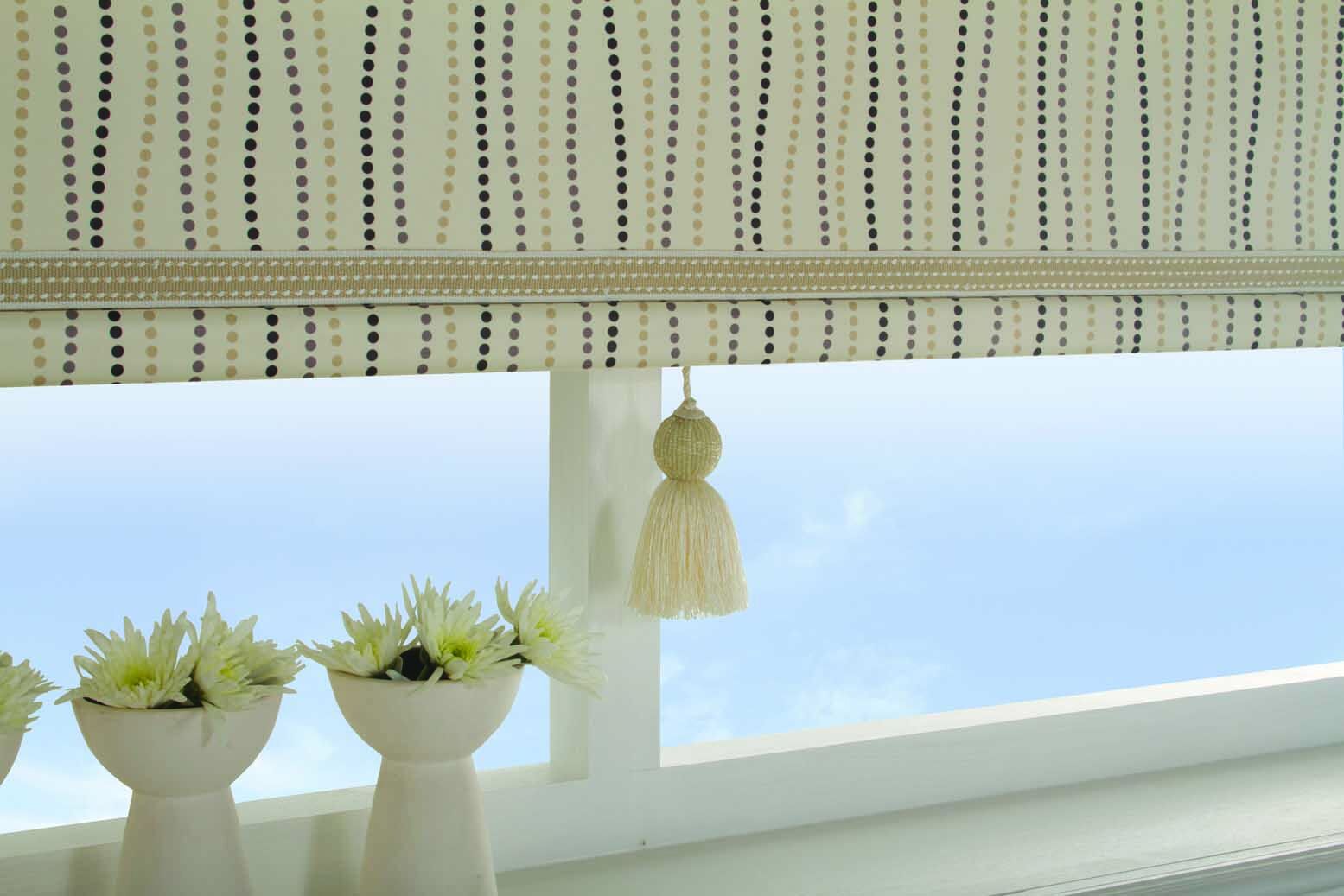
Different rooms need different types of blinds. A kitchen might need moisture-resistant materials, while a bedroom often requires blackout options. A good local supplier will carry a broad range of made-to-measure products, from roller blinds and Roman shades to wooden venetians and vertical blinds. When you speak to a fitter, ask about the brands and materials they work with. They should be able to advise on what works best for your window style and the room's conditions. Be cautious if a fitter only pushes one type of blind or seems reluctant to discuss alternatives. The right fitter will take time to understand your needs and show you samples. They will also explain the differences in quality, such as the thickness of the fabric, the strength of the mechanism, and the finish of the brackets. This is where "expert fitting for every window" really matters, because each window presents its own challenges, and a professional will know how to handle them.
Step 3: Get clear on accurate measurement and how it is done
Measurements are the foundation of a good blind. Even a few millimetres off can cause the blind to sit crookedly or leave light gaps. During the site survey, the fitter will take measurements of the window recess or the exact position where the blind will be mounted. They should use a metal tape measure, not a cloth one, because cloth can stretch over time. Ask them whether they recommend inside or outside mounting for your windows. Inside mounting keeps the blind within the recess for a clean look, while outside mounting covers a larger area and can make a window seem bigger. Each method has its own measurement rules. A professional will explain the pros and cons for each window in your home. If a fitter seems rushed or does not double-check their numbers, that is a red flag. Accurate measurement is non-negotiable for a good result.
Step 4: Understand the fitting bracket and installation method
The fitting bracket is a small but critical component. It holds the blind in place and must be securely attached to the wall, ceiling, or window frame. The type of bracket depends on the blind style and the surface material. For example, wooden or metal frames may need different screws or fixings than plasterboard or brick. A professional fitter will carry the right hardware and know how to mount the bracket so it is level and sturdy. During the quote, ask about the installation method. Will they drill into the frame or use adhesive? How do they handle uneven surfaces? What about windows with limited clearance above the recess? A good fitter will have answers ready and will show you examples from previous work. If they cannot explain the bracket system clearly, consider looking elsewhere.
Step 5: Consider child safety features and operating chains
Child safety is a legal requirement for blinds sold and fitted in the UK. All blinds with looped cords or chains must include safety devices such as breakaway connectors, chain tensioners, or cleats to keep cords out of reach. When choosing a fitter, ask about the safety measures they install as standard. They should offer options like continuous cord loops with tensioners or cordless blinds for rooms used by children. The operating chain is another point to check. It should run smoothly without sticking or catching. A poorly fitted chain can fray or snap over time. The fitter should position the chain on the side that is most convenient for you, and ensure it is the right length. Do not accept a blind that has loose cords or chains that dangle freely. A responsible fitter will always bring up safety without being prompted.

Step 6: Confirm the installation appointment and time
Once you have chosen your blinds and agreed on the measurements, the next step is booking the installation. Ask about the installation time for each window. Some blinds, like a simple roller, can be fitted in under an hour. More complex setups, such as a large bay window with multiple blinds or a motorised system, may take longer. The fitter should give you a realistic schedule. They should also confirm whether the installation includes removal of old blinds and disposal of packaging. Some fitters charge extra for this, so it helps to know upfront. Check if the fitter arrives with the blinds already made and ready to hang, or if there is a separate delivery and fitting appointment. A professional will aim to complete the job in one visit, but complex jobs may require two trips. Ask about what happens if a blind is the wrong size or damaged during fitting. A reliable company will have a clear policy and will sort it out without extra cost.
Step 7: Review the finished installation and ask about aftercare
After the blinds are up, take time to inspect each one. Open and close them fully. Check that they sit level in the recess, that the fabric is taut without sagging, and that the operating mechanism works quietly. Look for any gaps around the edges that let in light. A good fitter will stay and adjust the blinds if needed. They should also explain how to clean and maintain them. For example, wooden blinds should not be wiped with wet cloths, while roller blinds can be dusted with a soft brush. Ask about aftercare support. If a cord snaps or a bracket comes loose in the first few months, will they come back to fix it? A local fitter who stands behind their work will offer a warranty or guarantee on both the product and the installation. This gives you peace of mind that the job was done properly.
Choosing a local blind fitter in Derbyshire does not have to be complicated. By following these steps and paying attention to the details at each stage, you can find someone who delivers reliable, high-quality work. The key is to look for a company that offers a site survey, takes accurate measurements, uses proper brackets and safety devices, and communicates clearly about the installation process. That way, you get a result that looks great and works well for years. With the right approach, you can achieve expert fitting for every window in your home.